

Family Scapegoating Abuse
Improving lives after narcissistic abuse
If you have always been the one blamed, excluded, or made to feel like the problem in your family — you are not the problem. The ‘golden child’ may become the ‘scapegoat’. It is not love. It is abuse, and you can step out of it – with support, there is an amazing life on the other side.
Do you recognise any of this?
- You were always the one blamed when things went wrong in your family.
- Siblings or other family members were treated very differently to you.
- You were told to shut up, too sensitive, too difficult, not good enough.
- Family gatherings left you feeling worse than when you arrived.
- Family secrets and lies – must not mention or you’d be punished.
- You’ve distanced yourself from your family and carry guilt about it.
- You’re working out in adulthood that what happened to you wasn’t normal.
- Your self-worth and confidence have been affected from your childhood.
Talk to someone who understands.
No forms. No waiting list. Just a conversation.
Email us any time
Sometimes writing it down is the first step. Say as little as you like, everything you share is confidential, unless we have a legal or safeguarding duty to act.
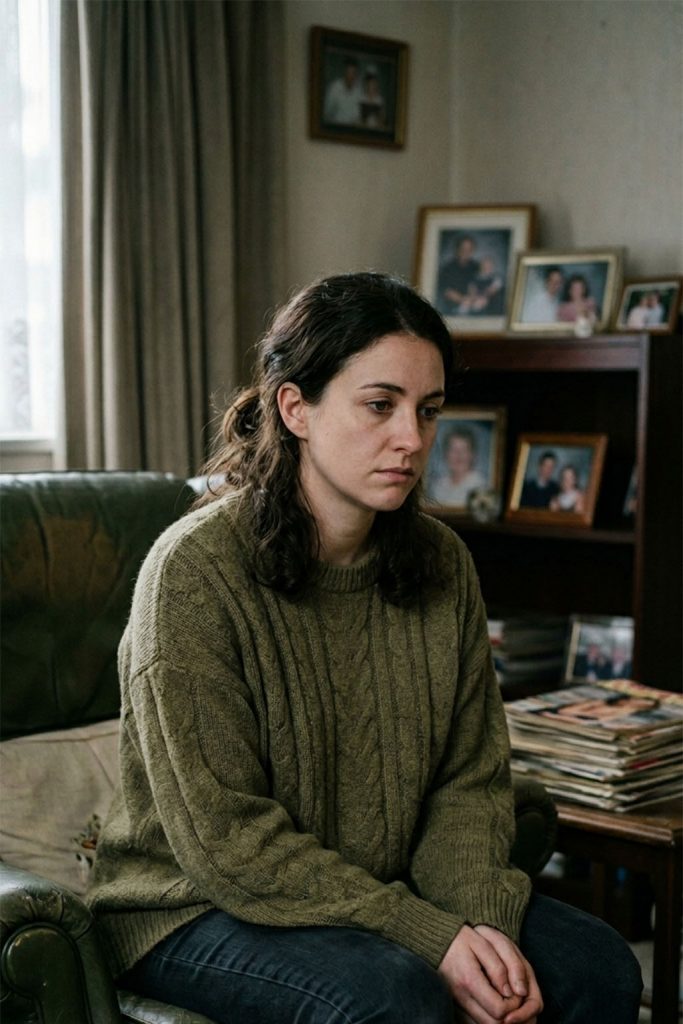
Narcissist parents assign the scapegoat.
The scapegoat role is deliberately assigned, to carry what the parent cannot face in themselves.
How we can help
- One-to-one coaching to survive the family dynamics
- Somatic trauma work for the shaming and blaming
- In-person support groups — across the UK
- Zoom group support sessions with other survivors
- Help with self-regulating and rebuilding
Book a Clarity Call
Or call: 0333 242 5348
If you can’t book or call safely, email support@thepowerandcontrolwheel.co.uk
Understanding what’s happening to you
Family scapegoating is a well-documented dynamic in narcissistic family systems. In every such system, one family member — usually the one most likely to name the dysfunction or least likely to comply with the unspoken rules — is assigned the role of the problem. Everything that goes wrong in the family gets attributed to them. Their feelings are dismissed. Their achievements are ignored. Their complaints are used as further evidence of their difficulty.
The scapegoat is often the most emotionally healthy and perceptive member of the family, which is precisely why they are targeted. They see what others will not name. In a system built on denial, that makes them dangerous. The scapegoating is the family’s way of maintaining the fiction that everything is fine — by exporting all the dysfunction onto one person.
Recovery from family scapegoating involves understanding the system, not just the individual relationships within it. It involves recognising that the role was assigned — not earned. And it involves the slow, often painful process of reclaiming an identity that was systematically undermined from childhood. With the right support, that recovery is absolutely possible.
If you are in immediate danger, call 999.
PACW Support Line: 0333 242 5348 | National Domestic Abuse Helpline (women): 0808 2000 247 (free, 24 hours) | Men’s Advice Line: 0808 801 0327 | Galop (LGBTQ+) 0800 999 5428 | Samaritans: 116 123 | NHS 111 | Victim Support 08 08 16 89 111
USA — 988 Suicide and Crisis Lifeline | National Domestic Violence Hotline 1-800-799-7233