
Spiritual Abuse Support
Improving lives after narcissistic abuse
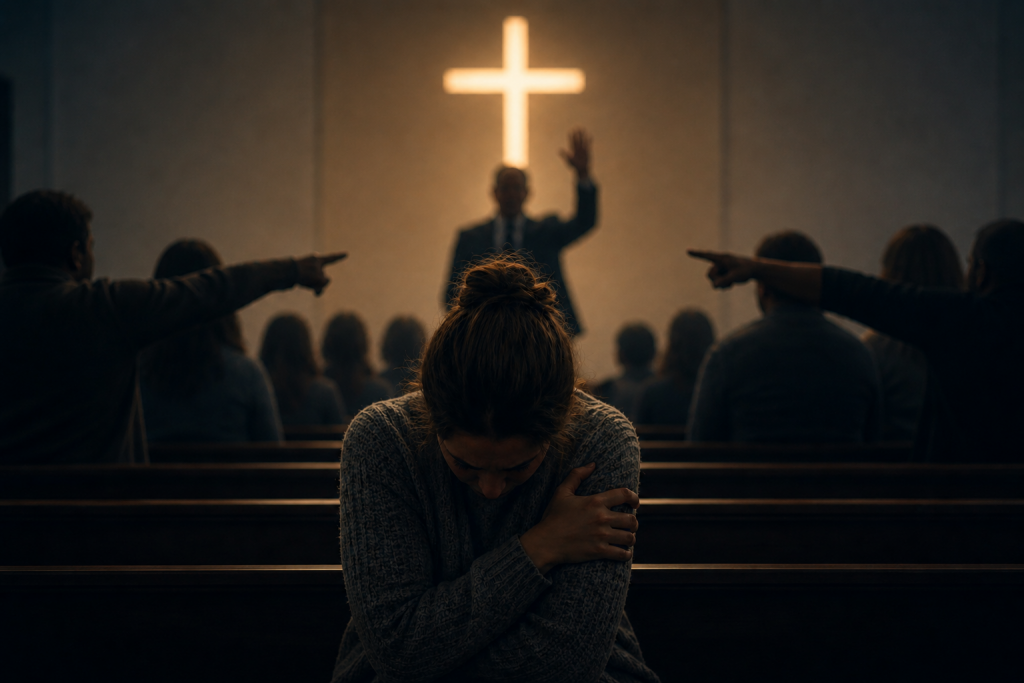
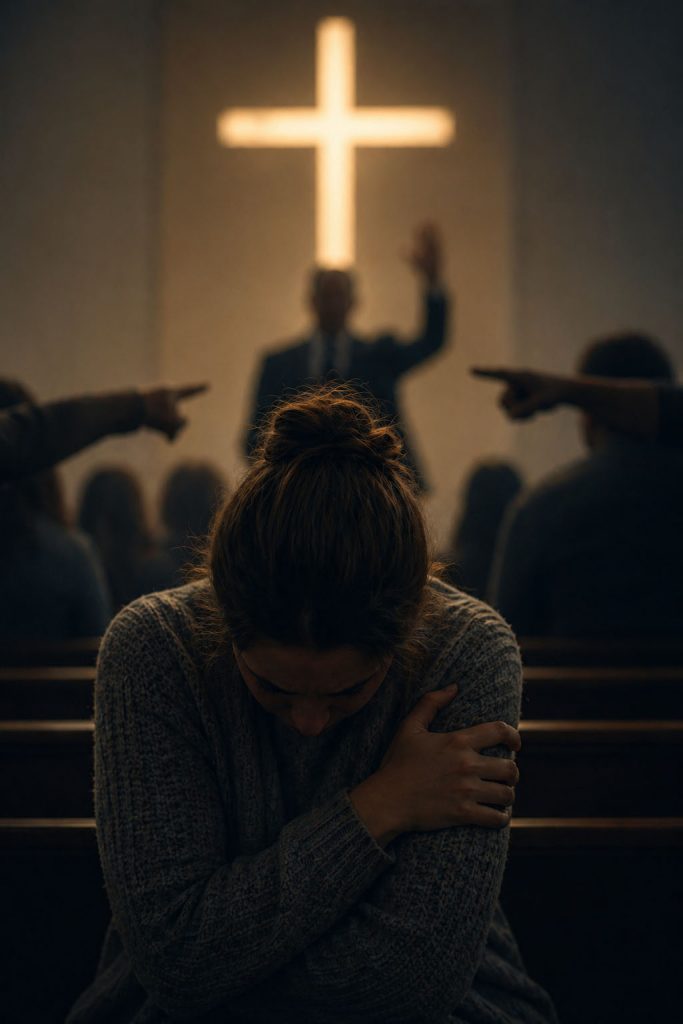
When faith is used to control, silence, or manipulate you, it is abuse. It doesn’t matter whether it happened in a church, a mosque, a faith community, relationship or a family. What was done to you was wrong. You have a God-given gift of agency, freedom, choice and discernment.
Do you recognise any of this?
- You were told that questioning leadership or doctrine was sinful.
- You were shamed, blamed or ostracised for leaving or speaking out.
- Spiritual language was used control you, destabilise you, obligate you.
- You were taught that your worth depended on obedience.
- You left a faith community and lost your entire social world overnight’
- You are struggling with your faith, your identity, or your sense of self.
- You still carry guilt and shame that was placed on you by other ‘believers’.
- You judge yourself harshly for questioning what you were taught.
Talk to someone who understands.
No forms. No waiting list. Just a conversation.
Email us any time
Sometimes writing it down is the first step. Say as little as you like, everything you share is confidential, unless we have a legal or safeguarding duty to act.
Truth will set you free. Not control you.
Spiritual abuse is one of the least recognised forms of coercive control — yet most destructive.
How we can help
- One-to-one faith-led support to help self-regulate
- Somatic trauma support for religious conditioning
- In-person support groups — across the UK
- Zoom group support sessions with other survivors
- Help with exploring beliefs, values and the truth
Book a Clarity Call
Or call: 0333 242 5348
If you can’t book or call safely, email support@thepowerandcontrolwheel.co.uk
Understanding what’s happening to you
Spiritual abuse occurs when religious belief, language, or authority is used to manipulate, control, or harm another person. It can happen in any faith tradition and at any level — from individual relationships to entire communities or institutions. What makes it particularly damaging is that it targets a person’s deepest sense of meaning, identity, and belonging.
Spiritual abuse frequently involves thought control — the idea that questioning is sinful, that doubt is dangerous, and that submission is a virtue. This makes it extremely difficult for survivors to trust their own perception, because they have been taught that their own thinking is the problem. The shame and guilt that result can be some of the most tenacious and body-held trauma a person carries.
Recovery from spiritual abuse does not require abandoning faith. Many survivors find a way to separate what was done to them from a genuine spiritual life. But it does require naming what happened clearly, and working with someone who understands both the dynamics of abuse and the specific ways spiritual frameworks can be weaponised.
If you are in immediate danger, call 999.
PACW Support Line: 0333 242 5348 | National Domestic Abuse Helpline (women): 0808 2000 247 (free, 24 hours) | Men’s Advice Line: 0808 801 0327 | Galop (LGBTQ+) 0800 999 5428 | Samaritans: 116 123 | NHS 111 | Victim Support 08 08 16 89 111
USA — 988 Suicide and Crisis Lifeline | National Domestic Violence Hotline 1-800-799-7233